
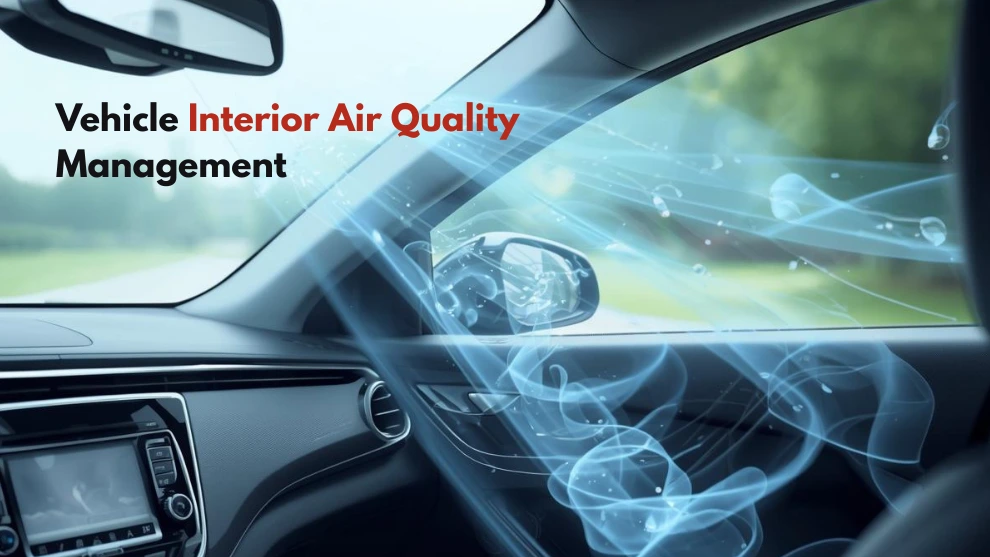
A Guide to Truly Improve Your Vehicle Air Quality – Overview
That faint, musty smell when you turn on your car’s AC. We’ve all been there. Your first instinct might be to grab an air freshener and hope for the best. But what if that smell isn’t just an annoyance? What if it’s a warning sign about the air you and your family are breathing?
Many car owners are trying to figure out the best way to solve this problem, weighing DIY fixes against professional services. The truth is, that “AC funk” is often just the tip of the iceberg. Your vehicle’s cabin can be a hotspot for pollutants that go far beyond a little moisture-related odor.
Making the right choice isn’t just about getting rid of a smell—it’s about protecting your health. Let’s break down what’s really happening inside your car’s ventilation system so you can make a confident, informed decision.
The Unseen Pollutants in Your Vehicle
That musty odor is almost always caused by mold and mildew building up on your car’s evaporator core—a dark, damp environment perfect for growth. But the air inside your car contains a cocktail of other contaminants that are much less obvious.
According to research from the National Institutes of Health (NIH) and the California Air Resources Board, vehicle cabins often trap pollutants at concentrations significantly higher than the air outside. You’re essentially driving in a personal pollution bubble.
Here’s what you’re likely breathing in:
- Mold & Bacteria: The source of the musty smell, these microbes thrive in your HVAC system and can trigger allergies and respiratory issues.
- Particulate Matter (PM2.5): These microscopic particles from exhaust fumes, brake dust, and tire wear easily enter your cabin from outside traffic and are small enough to penetrate deep into your lungs.
- Volatile Organic Compounds (VOCs): That “new car smell” isn’t harmless. It’s the result of chemicals off-gassing from plastics, adhesives, and fabrics inside your car. As technical firms like Markes International point out, these VOCs are a primary source of in-car air pollution.
- Allergens: Pollen, dust, and other common allergens get pulled into your car and recirculated endlessly by your fans.
Why Vehicle Air Quality is a Health Issue, Not Just a Comfort Issue?
Ignoring poor air quality in your car can have real consequences. It’s not just about sneezing or a stuffy nose. The American Lung Association and EPA have linked consistent exposure to these pollutants with a range of health effects.
Short-term exposure can lead to:
- Headaches and dizziness
- Fatigue and slower reaction times
- Increased heart rate and elevated cortisol (the stress hormone)
Long-term exposure carries more serious risks, including aggravating or contributing to:
- Asthma and other respiratory diseases
- Cardiovascular problems
- Even an increased risk of cancer
Children and the elderly are especially vulnerable to these effects. When you consider the amount of time spent commuting, running errands, or on road trips, ensuring your car’s air is clean becomes a critical part of your family’s well-being.
Your Toolkit for Cleaner Air: Evaluating Your Options
When you’re ready to tackle your vehicle air quality, you generally have two paths: do-it-yourself fixes or professional services. Let’s look at what each involves.
Path 1: DIY First-Response Solutions
For light odors or routine maintenance, a DIY approach can be a good starting point. These methods are cost-effective and can make a noticeable difference in your vehicle air quality.
- Replace Your Cabin Air Filter: This is the single most important DIY step. Your cabin air filter is your car’s first line of defense, but it gets clogged over time. A fresh filter can reduce in-cabin PM2.5 and other particles by up to 44%, according to NIH studies. We recommend choosing a high-quality filter with antimicrobial properties.
- Use an HVAC Disinfectant Spray: Special aerosol cleaners are designed to be sprayed into your car’s air intake vents while the AC is running. The foam travels through the system, cleaning the evaporator core and vents to kill mold and bacteria. It’s an effective way to address the source of the smell directly.
While helpful, DIY fixes have their limits. They may not reach deep-seated mold, and if your AC drain line is clogged, the moisture problem will just return.
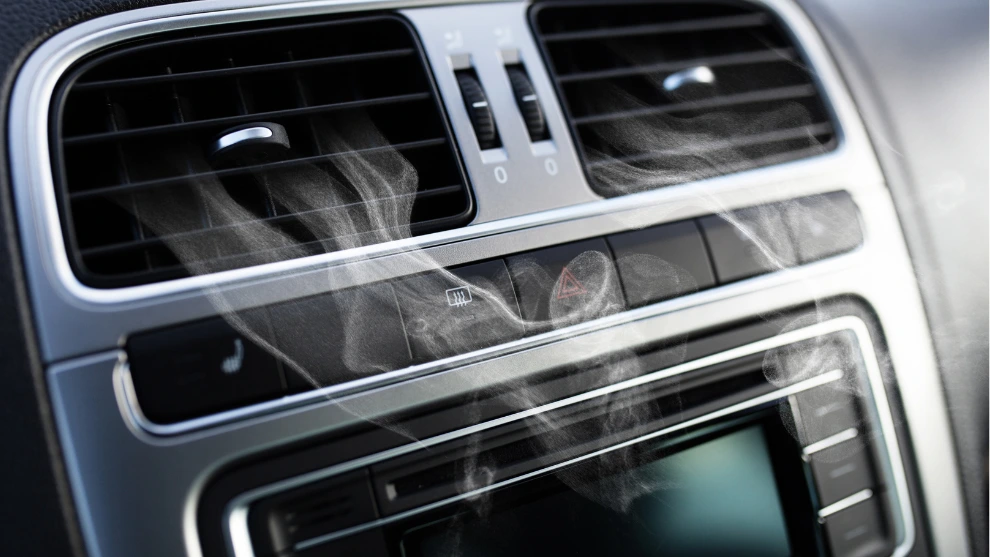
Path 2: Professional Deep Cleaning & Purification
If the musty smell is persistent, or if you want a guaranteed, comprehensive solution, it’s time to call in the experts. Professional services go far beyond what a spray can is capable of.
At Mr. Shine, our comprehensive interior detailing services and hand car cleaning are designed to restore your vehicle’s entire interior environment. This isn’t just a surface clean; it’s a deep-level reset for your car’s air quality.
A professional treatment typically includes:
- Forced Steam Cleaning: High-temperature steam is forced through the entire ventilation system, killing 99.9% of mold, bacteria, and germs without harsh chemicals.
- Evaporator and Duct System Flush: We ensure the system is physically cleaned of debris and blockages, including clearing the AC drain line to prevent future moisture buildup.
- Full Interior Sanitization: We treat all surfaces—carpets, upholstery, and headliners—where allergens and microbes hide, ensuring the entire cabin is purified.
This is the definitive way to eliminate odors at their source and ensure the air you’re breathing is as clean and healthy as possible.
Frequently Asked Questions About Vehicle Air Quality
We hear these questions all the time from customers in Pickering who are serious about their vehicle’s health.
Q1 – Can’t I just use a car air freshener?
An air freshener only masks the odor; it doesn’t solve the underlying problem. The mold and bacteria continue to grow in your vents, and you’re still breathing them in along with the fragrance chemicals.
Q2 – Is a professional cleaning service really worth the cost?
Think of it as an investment in your health. While a DIY fix is cheaper upfront, a professional service eliminates the problem at its source, preventing recurrence and ensuring you’ve removed the harmful contaminants that DIY methods can leave behind. For those with allergies, asthma, or young children, the peace of mind is invaluable.
Q3 – How often should I have my car’s air system cleaned?
We recommend replacing your cabin air filter every 12 months or 20,000 kilometers. A professional HVAC steam cleaning and interior sanitization is recommended at least once a year, or immediately if you notice a persistent musty odor.
Q4 – My car is new, so is my air quality good?
Not necessarily. That “new car smell” is a sign of VOCs off-gassing from interior materials. While it fades, the process can take months or even years. Running the fan with windows open can help, but regular cleaning and a quality cabin filter are still essential.
Your Next Step to a Breath of Fresh Air
That musty smell from your AC is more than a nuisance—it’s your car’s way of telling you it’s time to pay attention to the air inside. You can choose a quick DIY fix for temporary relief, but for a lasting solution that protects your health, a professional deep clean is the most reliable path.
Don’t just cover up the problem. Eliminate it.
If you’re ready to ensure every breath you take in your vehicle is a clean one, explore our full range of interior detailing packages or sign up for our unlimited wash membership to make regular maintenance effortless. The team at Mr. Shine is here to help you restore your car’s interior to a pristine, healthy state.

