
You’ve spilled coffee on the seat, the kids have left a trail of crumbs, and a faint, unidentifiable smell lingers in the air. You know your car needs more than a quick vacuum, but a search for “how to deep clean a car interior” unleashes a flood of conflicting advice.
Use vinegar, but not on leather. Baking soda is a miracle worker, but only for certain stains. Before you know it, you’re paralyzed by the fear of using the wrong product and causing permanent damage.
This is the evaluation challenge every car owner faces: navigating the complex world of interior materials to achieve a true, deep clean without risking your investment.
This guide cuts through the noise. We’re not just giving you steps; we’re giving you the strategy behind them. Drawing on insights from professional detailers and material science, we’ll walk you through the entire process—from preparation and cleaning to protection—so you can clean with confidence and understand why certain methods work. A deep-cleaned interior isn’t just about looking good; it’s about protecting your health, preserving your car’s value, and making every drive more enjoyable.
Phase 1: Preparation – Setting the Stage for a Flawless Finish
A deep clean is a process, not a single action. Skipping the prep work is like painting a wall without sanding it first—you’ll get the job done, but the results will be subpar.
Declutter and Do an Initial Pass
First, remove everything that doesn’t belong: floor mats, car seats, empty bottles, and loose items. This gives you a blank canvas. Now, perform an initial vacuum. If you’re dealing with potential allergens or musty smells, a vacuum with a HEPA filter is a professional-grade tool that can trap fine particles, mold spores, and dander, significantly improving your car’s air quality.
Gather Your Arsenal: Essential Tools & Supplies
You don’t need an entire auto shop, but the right tools make all the difference.
- Microfiber Towels: Have plenty on hand. They are non-abrasive and highly absorbent, perfect for virtually every surface.
- Brushes: A set of soft-bristled detailing brushes is essential for cleaning vents, seams, and delicate trim without scratching. A stiffer brush is needed for carpets and fabric seats.
- Spray Bottles: For mixing your own cleaning solutions.
- Wet/Dry Vacuum or Extractor: This is the game-changer for deep cleaning fabric and carpets, allowing you to pull dirty water and cleaning solution out of the material.
- Safety Gear: Especially when tackling tough issues like mold, always use gloves and ensure proper ventilation.
Phase 2: Deep Cleaning Techniques by Surface
Your car’s interior is a complex ecosystem of different materials. Using a one-size-fits-all approach is a recipe for disaster. Here’s how to handle each surface like a pro.
Fabric Upholstery & Carpets
This is where dirt, stains, and odors love to hide.
- Vacuum Thoroughly: Use a crevice tool to get deep into seams and under seats.
- Pre-Treat Stains: Address specific stains first (more on this in the next section).
- Apply Cleaner: For a general clean, a simple DIY solution of warm water, a few drops of dish soap, and a splash of white vinegar can be effective. Lightly spray the surface without oversaturating it. For tougher grime, a dedicated upholstery cleaner is your best bet.
- Agitate: Use a medium-stiff brush to work the cleaner into the fabric. Professional detailers often use a “cross-hatch” pattern (scrubbing vertically, then horizontally) to lift dirt from every angle. For faster results, a drill brush attachment on a low-speed setting can save significant time and effort.
- Extract: This is the most crucial step. Use a wet/dry vac or carpet extractor to pull the dirty solution out of the fabric. A common mistake is leaving too much moisture behind, which can lead to “wicking”—where dirt from deep within the cushion rises to the surface as it dries, creating new stains. Proper extraction is the key to preventing this and avoiding mildew.
- Dry Completely: Lower the windows or use a fan to speed up drying. A damp interior is a breeding ground for mold.
Leather & Vinyl Surfaces
Leather requires a gentle but effective approach to avoid drying, cracking, or discoloration.
- Clean First: Forget “all-in-one” cleaner/conditioners. You need to remove the dirt before you can condition the material. Use a pH-balanced leather cleaner and a soft brush to gently agitate the surface, especially in the grain and seams.
- Wipe Clean: Use a clean, damp microfiber towel to wipe away the cleaner and dirt.
- Condition and Protect: Once the leather is dry, apply a high-quality leather conditioner. This replenishes essential oils, keeping the material soft and preventing cracks from sun exposure. This is a key part of preventative detailing, a growing trend focused on long-term preservation. A dedicated conditioner like our [] provides UV protection to stop fading and cracking before it starts.
Crucial Warning: Never use all-purpose cleaners or vinegar on leather. As noted by detailing experts, vinegar is acidic and can permanently damage the finish. Always test any new product on a small, hidden area first.
Plastic, Trim, & Dashboards
These surfaces are magnets for dust and are vulnerable to UV damage.
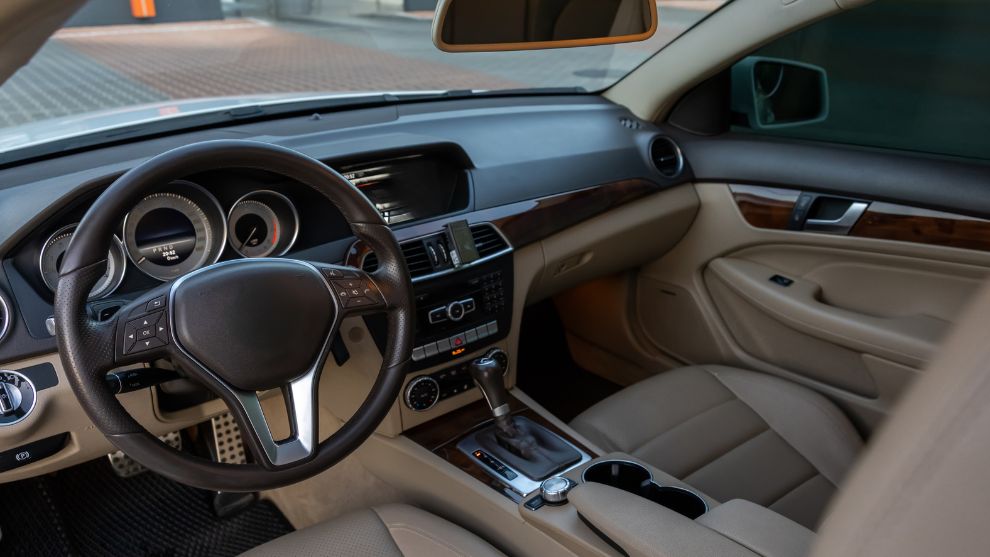
- Dust and Wipe: Start with a dry microfiber towel to pick up loose dust. Then, use an interior detailer spray on a clean towel (not directly on the surface, to avoid overspray on glass) to wipe down plastic and trim.
- Protect from the Sun: The dashboard is constantly exposed to the sun. After cleaning, apply a UV protectant. This prevents the fading and cracking that devalues a car over time.
- Handle Screens with Care: For modern touchscreens and digital displays, treat them like a laptop screen. Use a dedicated electronics cleaner or a slightly damp microfiber cloth. Avoid ammonia-based glass cleaners, which can damage anti-glare coatings.
Phase 3: Unlocking the Secrets to Specialized Cleaning
Sometimes, you’re up against a specific, stubborn problem. This is where understanding the “why” behind the cleaning method separates amateurs from experts.
Targeted Stain Removal: The Chemistry of Clean
Not all stains are created equal. Using the right approach is critical.
- Organic Stains (Coffee, Food, Pet Accidents): These are protein-based. The most effective weapon is an enzymatic cleaner. These cleaners use enzymes to break down the organic molecules causing the stain and odor. Always use cool water, as hot water can “cook” the protein, setting the stain permanently.
- Grease & Oil Stains: These require an alkaline cleaner (higher pH) to break them down. In a pinch, you can blot the stain and apply baking soda or cornstarch to absorb as much of the oil as possible before cleaning.
- Water Stains: These are often caused by mineral deposits left behind as water evaporates or from improper cleaning techniques that leave moisture behind. The solution is thorough extraction or steam cleaning to lift the deposits without adding more minerals.
Mold & Mildew: A Health Hazard You Can’t Ignore
If you see or smell mold, act immediately. Mold, especially black mold, poses serious health risks, including respiratory issues and allergic reactions.
- Safety First: Wear a mask and gloves. Ventilate the car completely.
- Remove Surface Spores: Use a HEPA-filtered vacuum to carefully vacuum the affected areas without spreading the spores.
- Kill the Mold: A solution of equal parts white vinegar and water is effective at killing many types of surface mold. Spray the area, let it sit for a few minutes, then scrub and wipe clean.
- Extract and Dry: Deep extraction and thorough drying are non-negotiable to remove all moisture, which is what allows mold to grow in the first place.
When to Call a Professional: If the mold is extensive, keeps returning, or if you suspect it’s inside the HVAC system, it’s time to call an expert. Professionals at Mr. Shine Car Wash use tools like ozone generators and commercial-grade steam cleaners to safely eliminate severe mold and sanitize the entire vehicle, something that is difficult and risky to do yourself.
Phase 4: Preventative Detailing – Future-Proofing Your Interior
A deep clean is an investment. Protecting that investment is the final step. Industry experts now emphasize preventative care to extend the life of your interior and make future cleanings easier.
- Fabric & Carpet Sealants: After cleaning, applying a fabric protectant creates an invisible barrier that helps repel spills and stains.
- Leather Conditioning: As mentioned, regular conditioning is the single best thing you can do to preserve leather.
- Regular Maintenance: A full deep clean is recommended every 4-6 months, but a weekly vacuum and wipe-down will prevent dirt from becoming ingrained.
DIY vs. Professional Detailing: Making the Right Call
A DIY deep clean is rewarding, but it’s important to know its limitations.
Choose DIY if:
- You’re dealing with light-to-moderate dirt and minor stains.
- You have the time and the right tools (especially a wet/dry vac).
- You enjoy the process and are confident in your ability to handle different materials safely.
Consider a Professional Service When:
- You’re facing severe challenges like extensive mold, deep-set odors, or complex stains.
- You lack the specialized equipment (like hot water extractors or ozone machines) for a truly deep, sanitized clean.
- You want to ensure the materials in a luxury or new vehicle are handled with expert care.
- Your time is more valuable than the cost of the service.
A professional service like isn’t just about cleaning; it’s about restoration and protection, using commercial-grade products and proven techniques to bring your interior back to its best possible condition.
Frequently Asked Questions
Q1. How often should I deep clean my car’s interior?
Most detailing professionals recommend a thorough deep clean every 4-6 months. If you have kids, pets, or eat in your car frequently, you may want to do it quarterly.
Q2. Can I use household cleaners on my car seats?
It depends. While some, like a mild dish soap solution or vinegar on fabric, can be safe, many all-purpose cleaners are too harsh and can cause fading or damage. Never use bleach or ammonia-based cleaners. When in doubt, stick to products specifically designed for automotive interiors.
Q3. How do I prevent water stains when cleaning fabric?
The key is to use as little liquid as possible and to extract as much as possible with a wet/dry vacuum. Never let a cleaning solution sit and air dry on its own. Proper drying with good ventilation is equally important.
Q4. Is it really necessary to use a separate conditioner on leather?
Absolutely. Cleaning removes dirt and oils. Conditioning replenishes those oils to keep the leather soft and protected from the sun. Skipping this step will lead to dry, cracked leather over time. At Mr. Shine, our process is a two-step process to ensure your leather is both immaculately clean and properly protected.